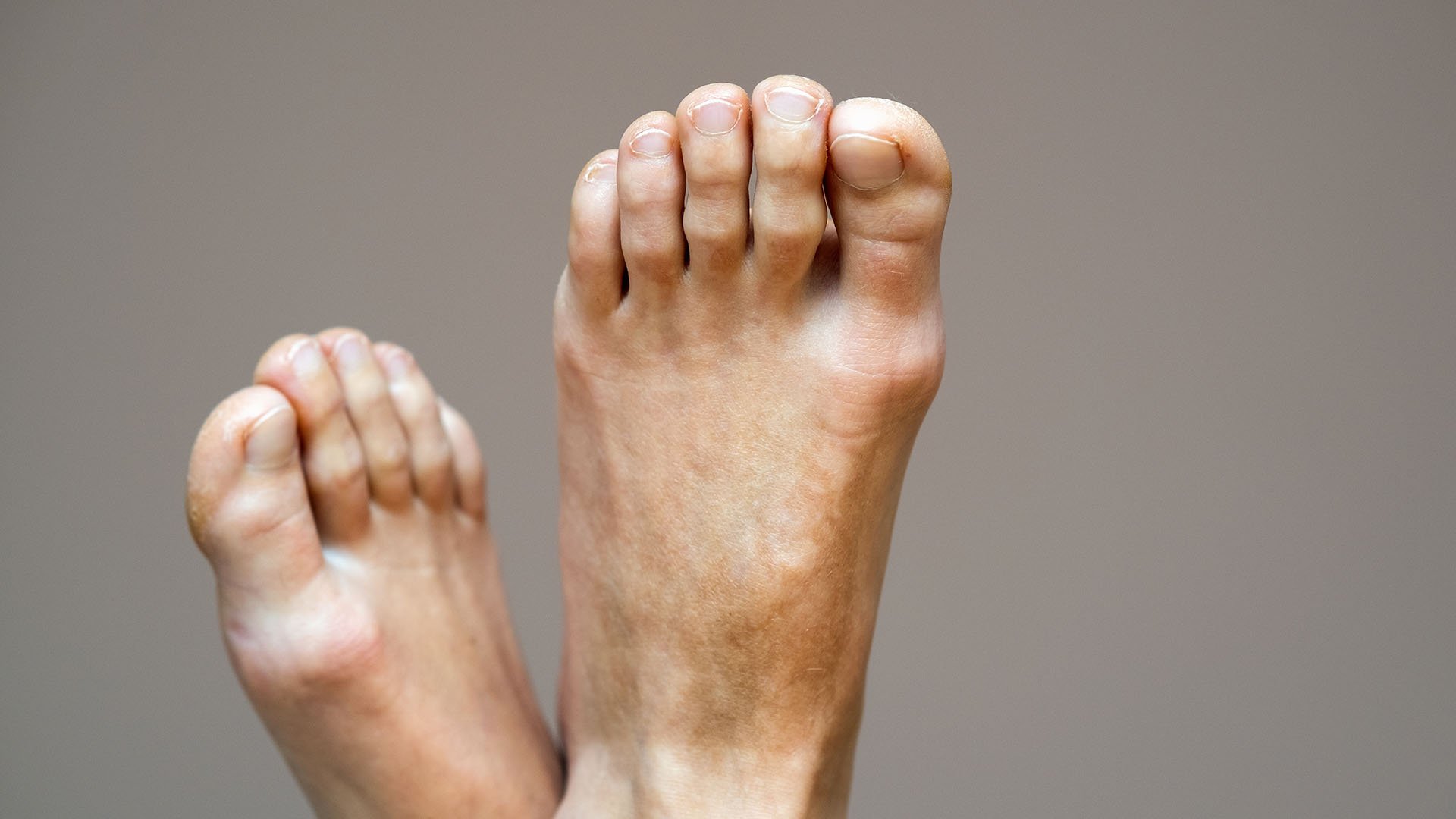
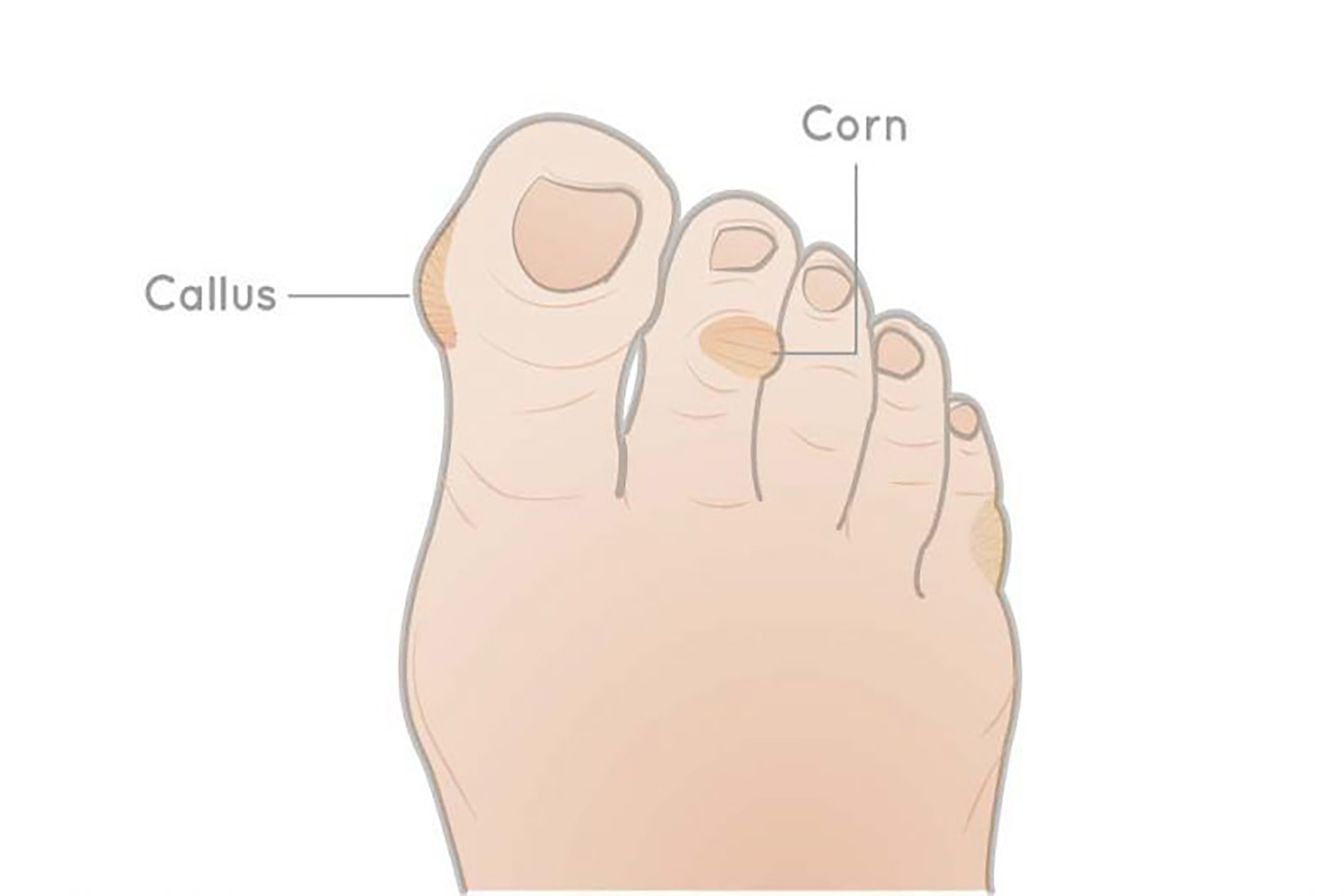
Corns and calluses are areas of thickened, hardened skin. They develop as a protective response when pressure or rubbing repeatedly affects the same area. Corns and calluses on the feet commonly form where footwear rubs or body weight concentrates. There are differences between calluses and corns, both in terms of causes and management:
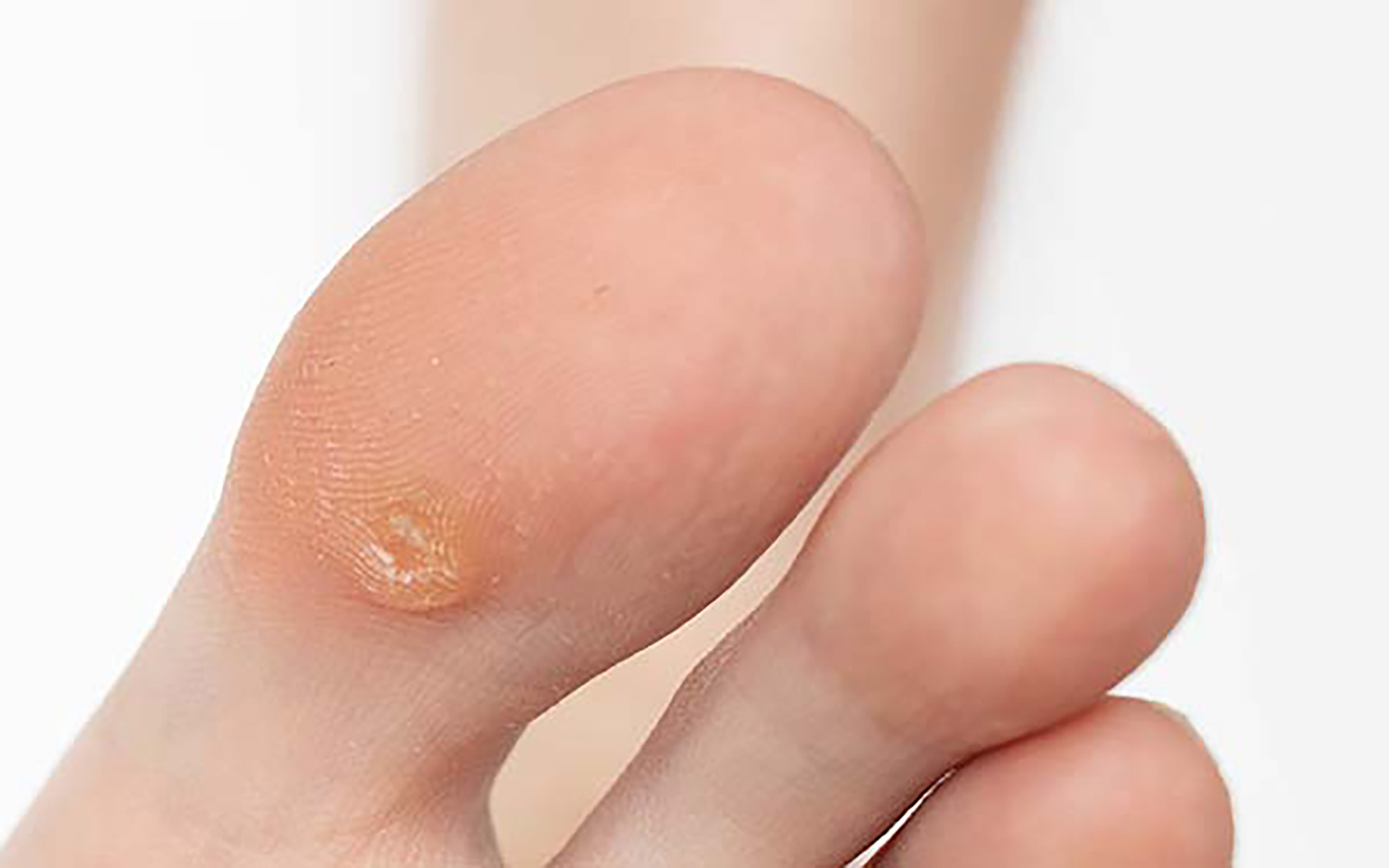
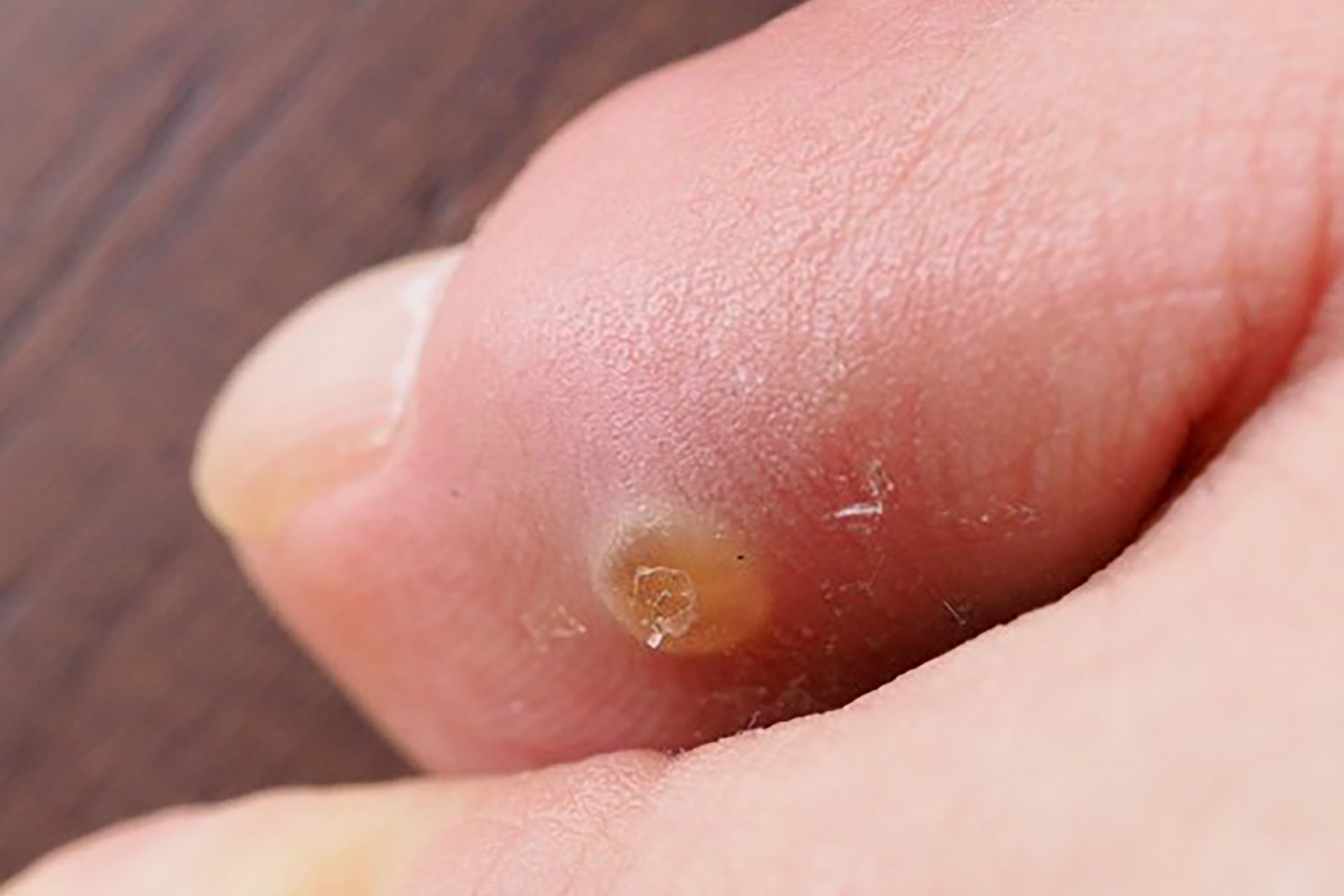
- A corn is usually small and localised, with a central core that can cause pain.
- A callus is broader, flatter and more spread out, often over the heel or ball of the foot.
Most corns and calluses are not serious and may improve when the source of pressure stops. Seek medical care if the area is painful, inflamed, broken or difficult to identify. Additionally, those with diabetes, poor circulation or reduced feeling in the feet should seek professional advice before trying home care.
What Is the Difference Between a Corn and a Callus?
| Feature | Corn | Callus |
| Size and shape | Small, round and clearly defined | Broad, flat and more diffuse |
| Core | Usually has a central hard core | Usually has no focal core |
| Common location | Tops and sides of toes, between toes or over another bony area | Heels, balls of the feet and other weight-bearing areas |
| Pain | Often tender or painful when pressed | Often painless, but may become tender if thick or cracked |
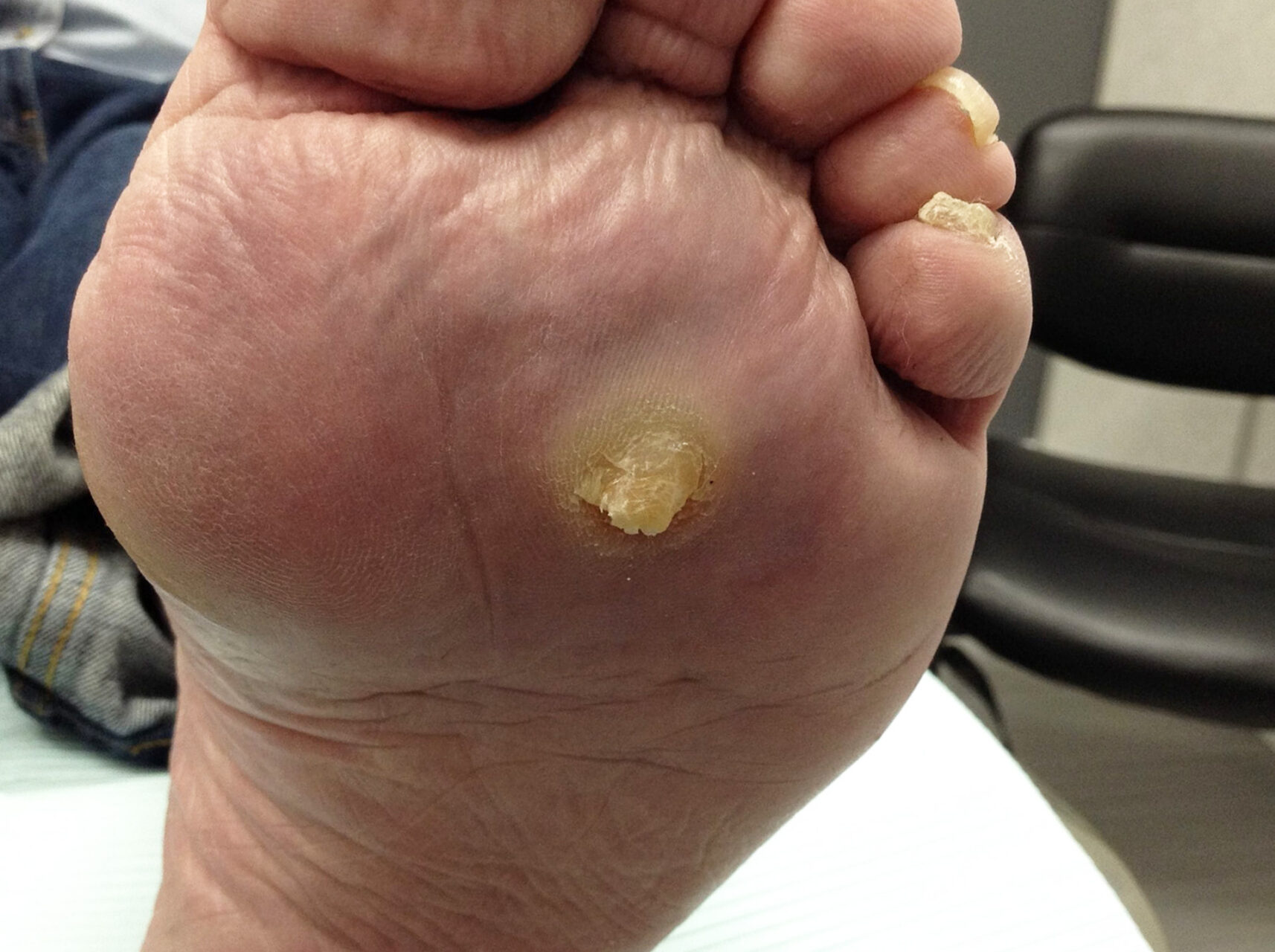
| Appearance | Raised area of hard skin, sometimes with inflamed skin around it | Rough, dry, waxy or yellowish patch of thickened skin |
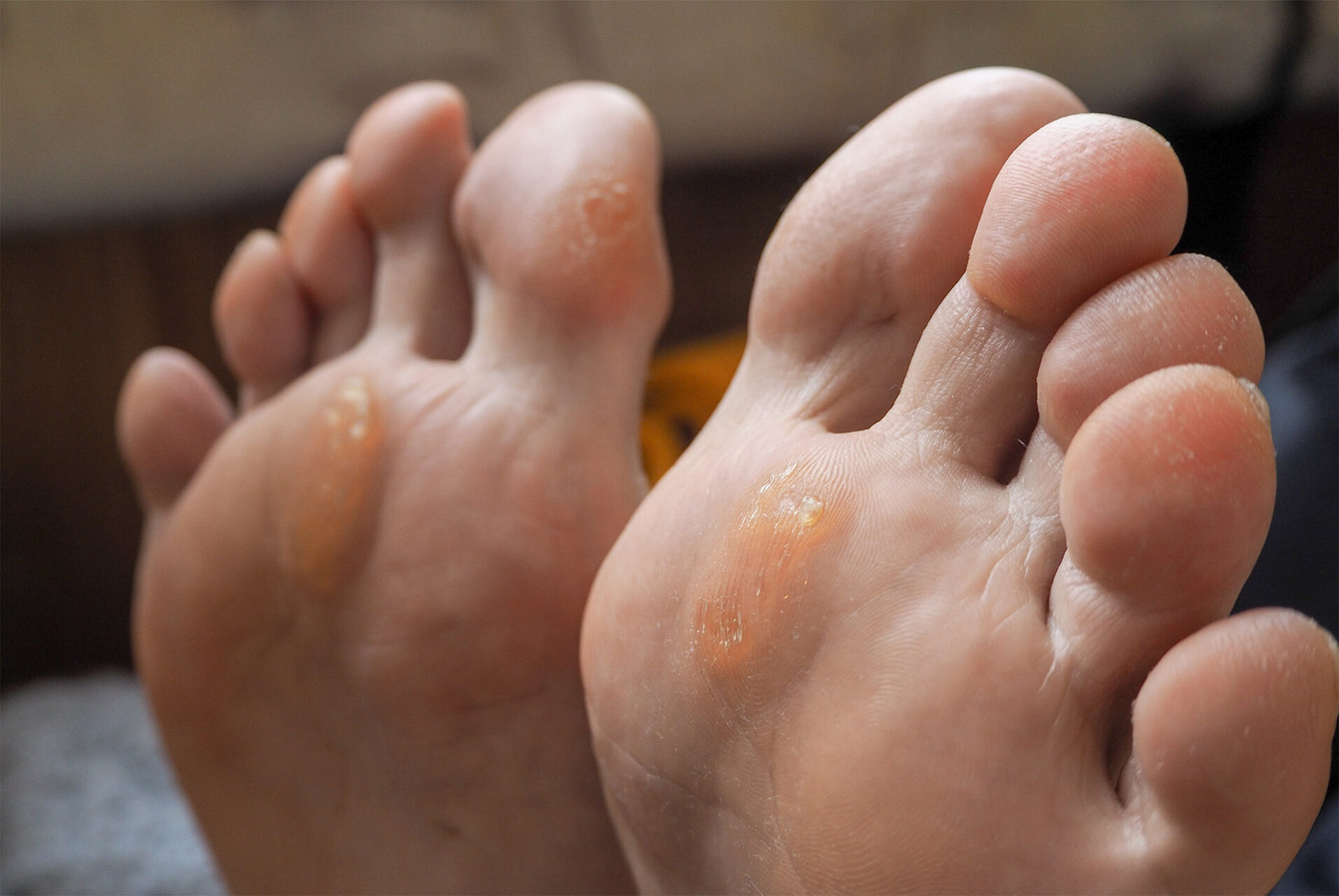
Corns on the feet can be hard or soft. Hard corns are compact and typically form where a toe or another bony area, such as the outer edge of the little toe, rubs against your footwear. Soft corns tend to develop between the toes, where moisture makes the skin pale and rubbery. Hard corns have a hard centre surrounded by slightly swollen skin, and that centre can press on underlying tissues, causing more discomfort. Many occur away from the main weight-bearing surface on the foot, but they can also form on the sole.
Foot calluses typically form where the foot carries repeated loads, including the heel, ball of the foot and the side of the big toe. Calluses develop gradually as hardened layers of skin build. Calluses tend to be less sensitive than the surrounding skin, but they can become uncomfortable when they become too thick or start to crack.
What Causes Corns and Calluses?
Corns and calluses both result from repeated pressure or rubbing. The body responds to this friction by producing more keratin, a protective protein in the skin’s outer layer. This protective mechanism becomes uncomfortable when thick skin builds up, or when pressure concentrates beneath the affected area.
Common sources of pressure and friction on the feet include:
- Tight shoes or other ill-fitting shoes. Narrow shoes can squeeze the toes. Some people develop corns when footwear repeatedly rubs a toe. High heels shift more body weight forward onto the foot. Shoes that are too loose may let the foot slide and rub.
- Long periods of walking or standing. Repeated loading can contribute to callus formation, particularly beneath the heel or forefoot. Running, dancing, and any work that involves prolonged standing may have a similar effect.
- Foot structure and toe position. Bunions, hammertoes, prominent joints, high arches and flat feet can affect where pressure falls on the foot. These changes can create localised bone pressure or repeated friction, which may cause a corn or callus on the sole.
- Socks and shoe interiors. Socks that bunch up or rub against shoe seams can cause repeated friction. Closed footwear without socks may also rub.
- Reduced natural padding. This is more common with age, as the fatty cushioning beneath the foot may become thinner, leaving some areas more exposed to pressure.
- Dry skin. Dryness does not usually create a corn or callus on its own, but it can make thickened skin rougher and more likely to crack. Regular moisturising can help keep skin soft, but you still need to address the source of pressure.
How to Tell Warts, Corns and Calluses Apart
A plantar wart can resemble a corn or callus, especially when hard skin covers it. However, these conditions have different causes. Corns and calluses develop from mechanical pressure or friction, whereas plantar warts are caused by the human papillomavirus (HPV).
| Feature | Corn | Callus | Plantar Wart |
| Main cause | Focused pressure or friction | Repeated pressure or friction | HPV infection |
| Typical appearance | Small, defined area with a core | Broad patch of thickened skin | Rough growth that may interrupt normal skin lines |
| Common location | Toes and bony pressure points | Weight-bearing areas | Usually the sole of the foot |
| Contagious | No | No | Yes |
Do not rely on the appearance alone if a lesion is painful, changing or persistent. A podiatrist or other healthcare professional can examine the foot and rule out a wart, foreign body, ulcer or another cause of thickened skin.
Home Care to Treat Corns and Calluses
If you are generally healthy, have normal circulation, and are confident the problem area is a corn or callus, gentle home care may help. Warm water and a pumice stone are common home remedies, but use them carefully.
- Soak the area. Soak the foot in warm water for about 5 to 10 minutes to soften the thickened skin.
- File gently. Use a wet pumice stone or foot file to gently remove dead skin. Rinse the pumice stone with warm water. Stop if the area becomes sore, raw or bleeds to avoid further irritation.
- Moisturise regularly. Apply a suitable moisturising cream each day to keep dry skin soft. Do not apply moisturiser between the toes if the area tends to stay damp.
- Reduce pressure. Non-medicated corn pads or soft padding can relieve pressure and may relieve pain. Soft insoles, heel pads or protective padding may also reduce rubbing and pressure on a callus.
- Change the footwear that is causing the friction. Properly fitted shoes can help prevent corns and calluses from worsening or returning.
Do not cut, shave or dig into a corn or callus with a blade, scissors or any other sharp object. Trying to remove a corn this way can remove too much skin, causing bleeding and/or an infection.
Some over-the-counter corn plasters and other corn or callus products contain salicylic acid. These products can damage the surrounding healthy skin if placed incorrectly or used on unsuitable skin. Before using any medicated product to treat your corn or callus at home, ask a medical professional whether it is right for you. Do not use one without professional advice if you have diabetes, impaired blood flow, peripheral neuropathy, fragile skin, broken skin, or a history of foot ulcers.
When to See a Podiatrist to Remove Corns and Calluses
Arrange an assessment if a corn or callus:
- Is very painful, inflamed or affecting how you walk.
- Bleeds, cracks deeply or develops a wound.
- Becomes red, warm or swollen, or produces pus or discharge.
- Keeps returning despite changing footwear and reducing pressure.
- Does not improve with gentle home care.
- Cannot be confidently distinguished from a wart or other skin lesion.
Those with diabetes should seek professional care and should not self-treat corns or calluses. Diabetes may be associated with reduced feeling, poor circulation or slower healing. Therefore, a small cut, chemical burn or pressure area can progress without being noticed, leading to worse outcomes. The same caution applies to those with circulatory problems, peripheral neuropathy, a weakened immune system, or a previous foot ulcer. Appropriate diabetic foot care includes checking your feet daily and seeking early assessment for new corns, calluses, or other foot problems.
Seek prompt medical care if redness is spreading, the area is increasingly warm or swollen, there is pus, or you develop fever or feel unwell.
How Corns and Calluses Are Assessed and Managed
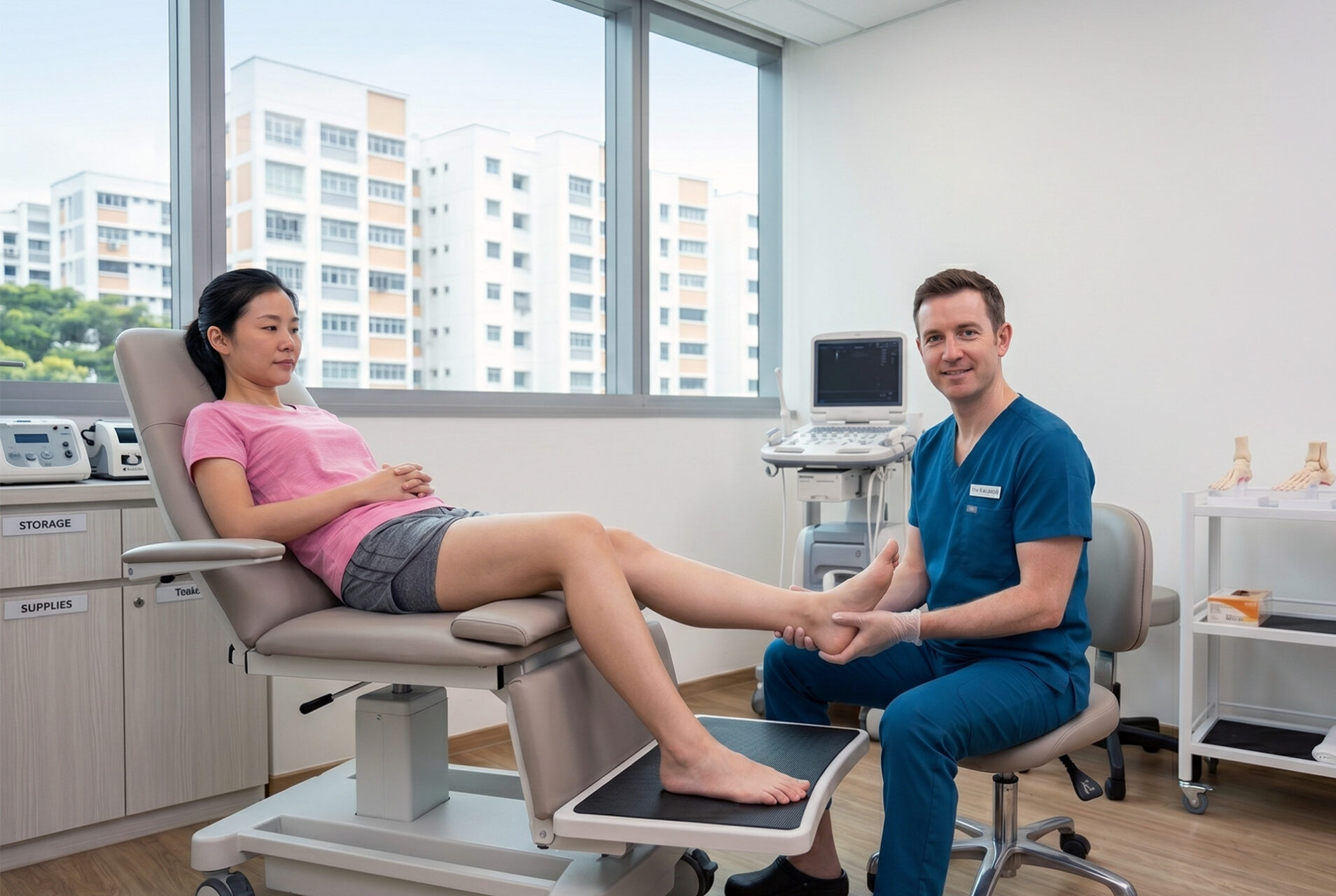
A podiatrist usually identifies a corn or callus by examining its shape, location, skin lines and response to pressure. The assessment may also include your footwear, daily activities, foot structure, circulation and sensation.
If thickened skin is painful or persistent, a healthcare professional can treat corns and calluses by trimming or reducing thickened areas with sterile instruments, when appropriate. A trained podiatrist will reduce the area in a controlled setting, taking care not to cut the healthy skin. Professional corn removal focuses on a small, focal lesion, while callus removal involves a broader area of hard skin. The approach depends on the lesion and the health of the surrounding tissue.
Removing hard skin does not automatically remove the pressure that caused it. When footwear contributes to the cause of the corn or callus, a footwear assessment may identify problems with shoe width, depth, seams, cushioning or fit. If foot structure or walking pressure is a factor, custom orthotic insoles may help redistribute the load. Orthotic insoles are not required for every corn or callus and cannot always prevent recurrence. However, they can be helpful in a wide variety of cases.
Prevention
The following steps may reduce friction, spread pressure more evenly and help prevent corns and calluses:
- Wear wide, well-fitting shoes with enough toe room, a low heel and a cushioned sole.
- Avoid high heels or tight, pointed shoes that squeeze the toes or place extra load on the forefoot.
- Wear thick, cushioned socks that fit without bunching.
- Use soft insoles or heel pads when they make footwear more comfortable and reduce pressure.
- Place non-medicated protective padding around areas that regularly rub. Toe separators may help between the toes. Padding should not make the shoe tighter.
- Moisturise your feet regularly to keep the skin soft, but keep the spaces between the toes dry.
- Wear shoes that fit properly, and check them for rough seams, worn cushioning or small objects.
- Keep your toenails trimmed so they do not press against the front of your shoes. Seek help if you cannot keep your toenails trimmed safely.
- Take breaks or change footwear if prolonged walking or standing repeatedly irritates the same area.
- Do not walk barefoot on hard surfaces if this increases pressure beneath the feet.
Prevention depends on the cause of your corn or callus. Well-fitting shoes and daily moisturising may reduce the risk, but they cannot guarantee that a corn or callus will not return. The best way to identify what is causing your corns or calluses, and how to prevent any recurrence, is to see a trained podiatrist who can assess your condition and pinpoint the ongoing pressure point.
Podiatry Care for Corns and Calluses in Singapore
The Foot Practice provides assessments and podiatry care for painful, persistent or recurring corns and calluses. An assessment can confirm whether the area is a corn, callus, plantar wart, or another skin condition, identify any pressure-causing thickened areas to prevent recurrence, and pinpoint sources of friction. Appropriate care depends on the lesion, your foot health, and any underlying medical conditions. Schedule a consultation today.
Prevention
The following steps may reduce friction, spread pressure more evenly and help prevent corns and calluses:
- Wear wide, well-fitting shoes with enough toe room, a low heel and a cushioned sole.
- Avoid high heels or tight, pointed shoes that squeeze the toes or place extra load on the forefoot.
- Wear thick, cushioned socks that fit without bunching.
- Use soft insoles or heel pads when they make footwear more comfortable and reduce pressure.
- Place non-medicated protective padding around areas that regularly rub. Toe separators may help between the toes. Padding should not make the shoe tighter.
- Moisturise your feet regularly to keep the skin soft, but keep the spaces between the toes dry.
- Wear shoes that fit properly, and check them for rough seams, worn cushioning or small objects.
- Keep your toenails trimmed so they do not press against the front of your shoes. Seek help if you cannot keep your toenails trimmed safely.
- Take breaks or change footwear if prolonged walking or standing repeatedly irritates the same area.
- Do not walk barefoot on hard surfaces if this increases pressure beneath the feet.
Prevention depends on the cause of your corn or callus. Well-fitting shoes and daily moisturising may reduce the risk, but they cannot guarantee that a corn or callus will not return. The best way to identify what is causing your corns or calluses, and how to prevent any recurrence, is to see a trained podiatrist who can assess your condition and pinpoint the ongoing pressure point.
Podiatry Care for Corns and Calluses in Singapore
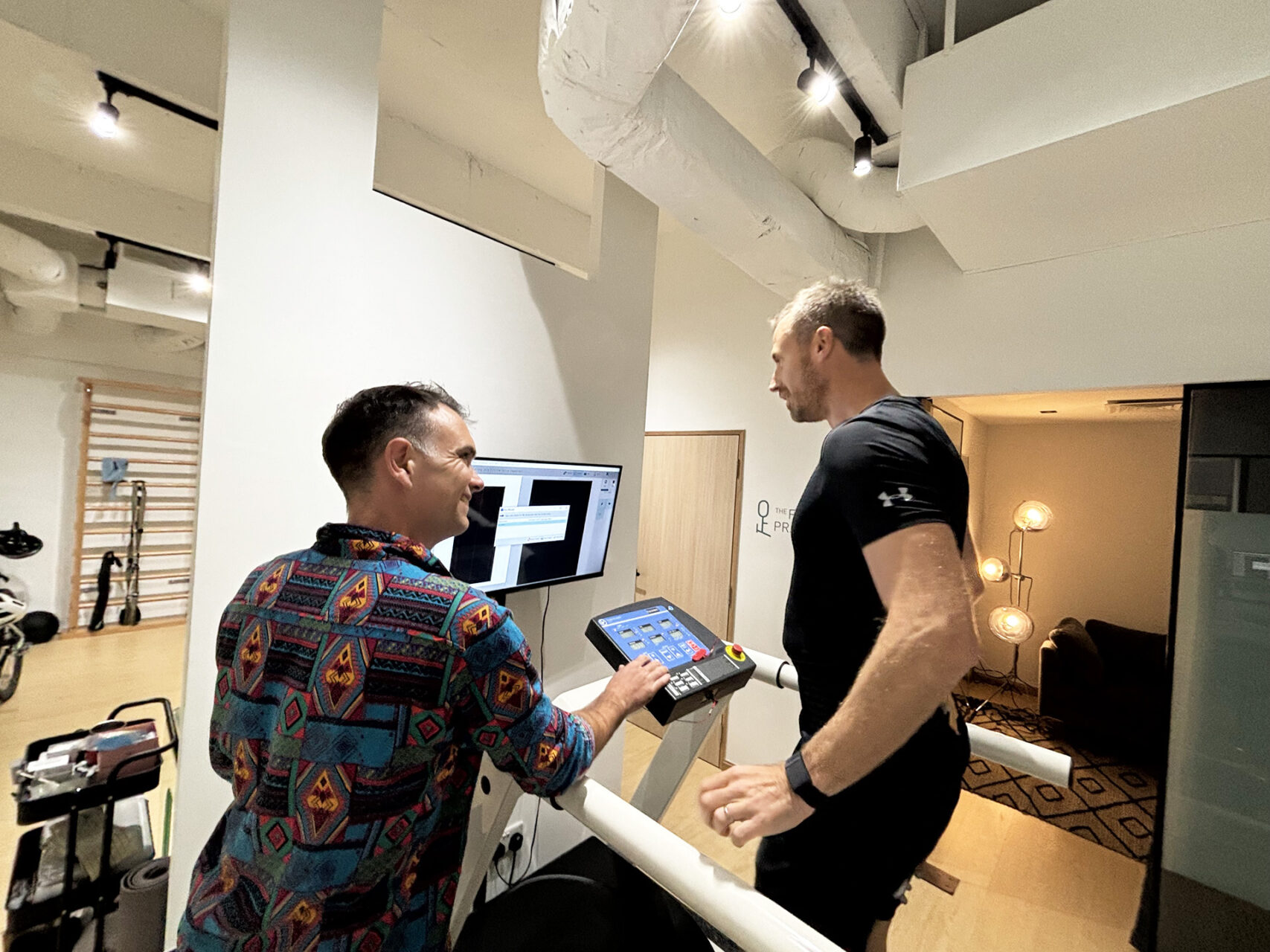
The Foot Practice provides assessments and podiatry care for painful, persistent or recurring corns and calluses. An assessment can confirm whether the area is a corn, callus, plantar wart, or another skin condition, identify any pressure-causing thickened areas to prevent recurrence, and pinpoint sources of friction. Appropriate care depends on the lesion, your foot health, and any underlying medical conditions. Schedule a consultation today.